
Oct 07, 2026 | Flooring Canada
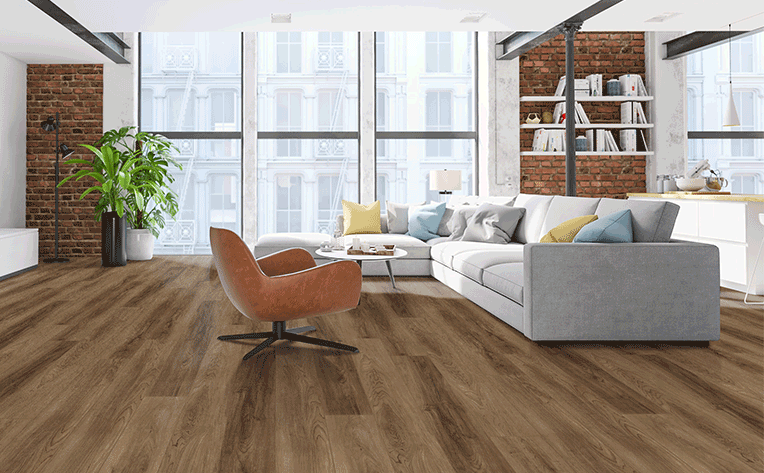
Choosing the right flooring can make a home safer, more comfortable, and easier to maintain. For seniors, it is especially important to choose flooring that helps reduce slips and trips while still fitting the needs and style of the home.
Rubber, cork, luxury vinyl, and carpet each offer different benefits. Understanding how these options compare can help you find the right balance of safety, comfort, function, and easy care.
Safety is an important part of choosing flooring, but it is not the only factor to consider. The right floor should also feel comfortable, be easy to care for, and work well for everyday life.
As you compare your options, consider:
Keeping these factors in mind can make it easier to narrow down your choices and find flooring that works well for your home.
| Flooring | Benefits | Things to Consider |
|---|---|---|
| Rubber | Slip-resistant, cushioned, warm, and easy to maintain | Make sure the look fits your space |
| Cork | Soft, shock-absorbent, and provides traction | Avoid high-moisture areas; it can crack, fade, or dent |
| Luxury Vinyl | Waterproof, easy to maintain, and available in many styles | Harder and less forgiving during a fall than cork or rubber |
| Carpet | Soft, warm, comfortable, and cushioned | Can be harder for wheelchair users to move across and more difficult to clean |
Each flooring type has its own advantages and trade-offs. A closer look at each option can help you decide which features matter most for your home.
Rubber flooring is a strong option for seniors because it is slip-resistant, even when wet, and provides cushioning underfoot.
Its softer surface can be more forgiving than hard flooring in the event of a fall. It also feels warmer underfoot and is easy to maintain. With a range of colour options available, rubber flooring can offer both practical benefits and style.
Cork is another option that combines traction with a soft, shock-absorbent surface.
Like rubber, cork provides cushioning that can make the floor more forgiving in the event of a fall. Many cork floors also have sealants that make them easier to wipe down and maintain.
There are some drawbacks to consider. Cork should not be installed in high-moisture areas, and it can be prone to cracks, fading, and dents over time.
Luxury vinyl offers a practical mix of easy care, function, and style. It is comes in waterproof options, easy to maintain, and easy to walk on without slipping.
Vinyl is a resilient flooring option, meaning it is a firm surface with some flexibility and give underfoot. This can make it more comfortable to stand and walk on than harder surfaces.
Why imagine how new flooring will look when you can see it in your own space? With our Room Visualizer, it only takes three easy steps: snap a photo of your room, choose a floor, and see the transformation for yourself.
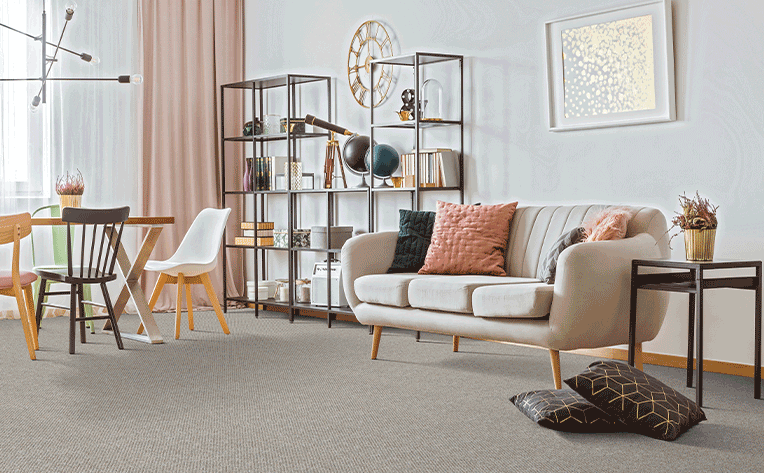
Carpet can also be a comfortable option for seniors, especially when softness and warmth are priorities.
When installed correctly, wall-to-wall carpet provides a smooth, soft surface with plenty of cushioning. It also offers warmth underfoot, which can make it especially appealing in colder climates.
There are some trade-offs. Carpet can be harder for wheelchair users to move across, and it may be more difficult to clean than other flooring options. It can also trap dust and debris, which may be a concern for people with allergies or breathing problems. Hypoallergenic carpet can be another option for people with allergies because it can better filter pollen and dust.
Along with comparing the benefits of different flooring types, it is important to consider surfaces that may create a greater risk of slipping or tripping.
Area rugs can slide, bunch up, or create small changes in floor height. Even a slight height difference can make it difficult for some people to walk over, turning an area rug into a tripping hazard.
Natural stone is a hard surface that requires regular maintenance. Polished stone can also become slippery when wet and may feel cold under bare feet.
Ceramic and porcelain tile require little maintenance, but there are still safety concerns to consider. Wide grout joints or uneven tiles can create a tripping risk.
If someone uses a wheelchair, consider how easy it will be to move across the flooring.
Wall-to-wall carpet offers softness, warmth, and cushioning, but it can be more difficult for wheelchair users to move across. This is an important trade-off to consider when deciding whether carpet is the right choice for your home.
Rubber flooring is a strong choice because it is slip-resistant, even when wet, and provides cushioning. Cork also offers traction and a soft, shock-absorbent surface.
However, safety is only one part of the decision. Comfort, maintenance, function, budget, and style should also be considered when choosing flooring.
Yes. Vinyl is waterproof, easy to maintain, and easy to walk on without slipping. Luxury vinyl also comes in many attractive styles. However, it is harder and provides less cushioning than cork or rubber.
The better option depends on the person's needs. Carpet offers softness, warmth, comfort, and cushioning, but it can be harder for wheelchair users to move across. Vinyl is waterproof and easy to maintain, but it does not provide the same cushioning as carpet.
Cork can be a good option because it is soft, shock-absorbent, and provides traction. However, it should not be used in high-moisture areas and can be prone to cracks, fading, and dents.
Area rugs can slide, bunch up, and create changes in floor height. These issues can create a tripping hazard, so area rugs should be avoided in areas where seniors regularly walk.
The right flooring is about finding a balance between safety, comfort, function, maintenance, budget, and style. Rubber, cork, luxury vinyl, and carpet each offer different advantages, so consider which features are most important for your home and lifestyle.
Ready to compare your options? Contact us today and get help choosing a floor that fits your needs, budget, and style.